
Septum piercings are one of the most unique and customizable nose piercings you can get, and people love them for their versatility and bold aesthetic. But one of the first questions everyone asks is simple: how long do septum piercings take to heal? The truth is that healing time can vary based on placement accuracy, aftercare habits, and your body’s natural recovery pattern. Below, you’ll find a complete breakdown of timelines, tips, and FAQs so you know exactly what to expect.
Before booking your appointment, it also helps to review general info on getting a piercing to understand placement, jewelry choices, and what happens on the day of your session.
How Long Do Septum Piercings Take to Heal? Understanding the Real Timeline
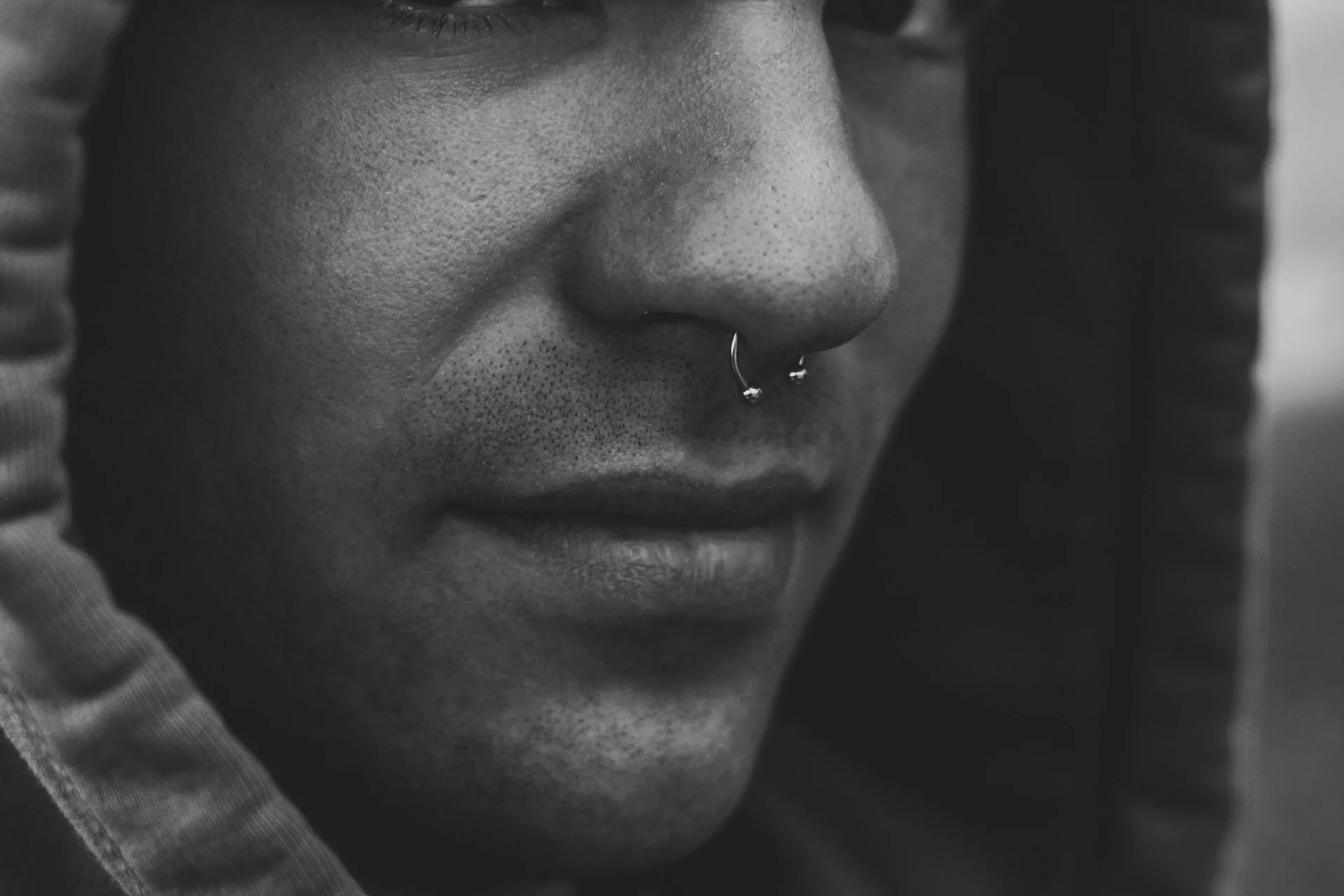
If you’re trying to figure out how long do septum piercings take to heal, most professional piercers give a general estimate of 6–8 weeks for early healing and 3–6 months for full internal healing. Some clients heal slightly faster—especially when the piercing is placed in the “sweet spot,” which is the thin tissue just below the cartilage. Others may take longer if the piercing goes through thicker cartilage or if aftercare isn’t consistent.
The important thing to remember is that “healed enough to feel good” is not the same as “fully healed.” Even once the outside looks healthy, the inside may still be stabilizing, which is why piercers recommend waiting before switching jewelry. If you’re exploring different looks for later, you can check out various types of nose piercings for ideas and styling inspiration once healing is complete.
What Affects Septum Piercing Healing Time?
Several factors influence how quickly your septum piercing settles:
Proper Placement
A piercing placed directly in the sweet spot typically heals faster and is less sore during the first few weeks. Misplacement through cartilage adds extra pressure and prolongs healing.
Your Aftercare Routine
Consistent, gentle care makes the biggest difference. Using a sterile saline rinse, avoiding unnecessary touching, and keeping cosmetics away from the area help prevent irritation. You can follow a full guide in this detailed piercing aftercare resource.
Jewelry Material
High-quality metals such as implant-grade titanium or 14k gold are less likely to cause reactions.
Lifestyle Factors
If you’re active, sleep face-down, or frequently adjust your jewelry, your healing time may lengthen. For a broader look at safe options, browse professional body piercings and see what healing times typically look like across placements.
In general, a septum piercing is considered one of the more forgiving piercings to heal—as long as aftercare stays consistent and you avoid excessive movement or trauma to the ring.
What to Expect Week by Week

While everyone’s body is unique, most people experience a predictable pattern:
Weeks 1–2: Initial Sensitivity
You’ll notice tenderness, mild swelling, and a bit of crusting. This stage is when people most often ask again: “Wait—how long do septum piercings take to heal if it already feels better?” Early improvement doesn’t mean the tissue has finished closing internally.
Weeks 3–6: Stabilizing Phase
The piercing becomes less sensitive, crusting decreases, and daily cleaning feels easier. Avoid flipping or twisting your jewelry, which can cause micro-tears.
Months 2–6: Internal Healing
Even when everything looks great on the outside, the channel inside continues forming stronger tissue. This is why your piercer may still advise waiting longer before changing jewelry.
To see what styles people often choose after healing, many look at popular piercings in our Denver studio for inspiration.
When Can You Change Your Septum Jewelry?
Professionals typically recommend waiting at least 8–12 weeks, but the most accurate answer is: after your piercer evaluates it in person. Everyone heals at a different pace, and only an experienced professional can confirm whether your septum is ready.
Changing too early can cause irritation bumps, prolonged redness, or uneven healing, so don’t rush the process.
Signs Your Septum Is Healing Normally
If you’re wondering how long do septum piercings take to heal because you’re unsure whether your symptoms are normal, here’s what you can expect during a standard healing period:
-
Mild soreness when moving the jewelry
-
A small amount of clear or slightly yellow crust
-
Occasional tenderness when touched or bumped
-
Gradual reduction in swelling
These are all normal healing signs—not indicators of infection.
Signs of Irritation or Infection
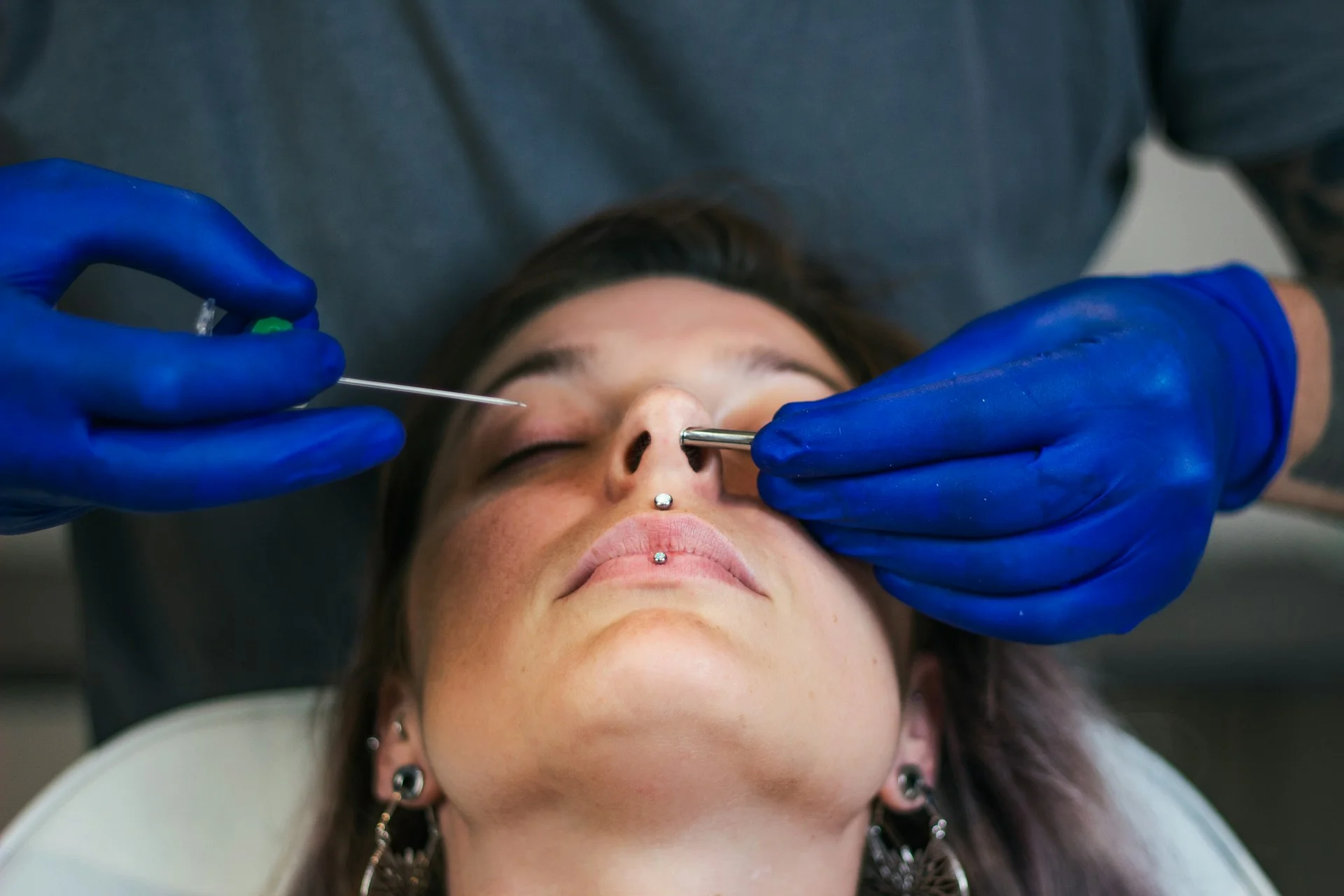
If you experience any of these symptoms, it’s best to contact your piercer:
-
Persistent redness or swelling beyond 6 weeks
-
Green or foul-smelling discharge
-
Sharp pain instead of mild tenderness
-
A fever or spreading redness
For health-based best-practice cleaning guidance, you can always refer to the CDC’s wound care recommendations.
While a piercing isn’t the same as a cut, proper hygiene principles still apply.
Thinking About a Septum Piercing? We’ve Got You Covered
Healing a septum piercing is a gradual process, but with good aftercare, proper placement, and high-quality jewelry, most people experience a smooth recovery. Understanding the full healing timeline gives you the confidence to care for your piercing the right way and avoid common issues that slow things down. If at any point you’re unsure whether your piercing is healing normally, it’s always better to check in with a professional.
For personalized guidance, jewelry upgrades, or a safe, expert piercing experience, Mantra Tattoo is here to help. Visit our studio or contact us anytime to book your next appointment and get the support you need from trusted, experienced piercers.
FAQs: Septum Piercing Healing, Aftercare & Troubleshooting
Does a septum piercing hurt?
Most clients describe it as a quick, sharp pinch that lasts only a second. The pressure sensation is often more noticeable than the pain itself.
Why does my septum still feel tender after a month?
Internal tissue takes significantly longer to heal than the surface. Tenderness at 4 weeks is normal and doesn’t mean anything is wrong.
Can you flip a septum piercing up while it heals?
Technically, yes—but it slows healing. Flipping the jewelry introduces friction and micro-movement. Your piercer may recommend keeping it down for the first few weeks unless flipping is absolutely necessary.
Can I sleep on my stomach with a new septum piercing?
It’s better not to. Pressure on the nose can cause irritation and lengthen the healing time.
When should I worry about infection?
If you see spreading redness, warmth, green discharge, or experience a fever, reach out to a professional or a medical provider.