
Thinking about getting a tattoo but wondering if you’re tough enough to sit through the sting? You’re not alone. One of the most common questions we get at Mantra Tattoo and Piercing in Denver is: what are the most painful areas to get a tattoo?
It’s a solid question, especially if you’re new to ink or planning something major. Pain tolerance is personal, but there are some clear winners when it comes to painful spots. So here’s your full breakdown of the most painful areas to get a tattoo, what makes them brutal, and how to prep like a pro.
1. Ribcage: The MVP of Pain
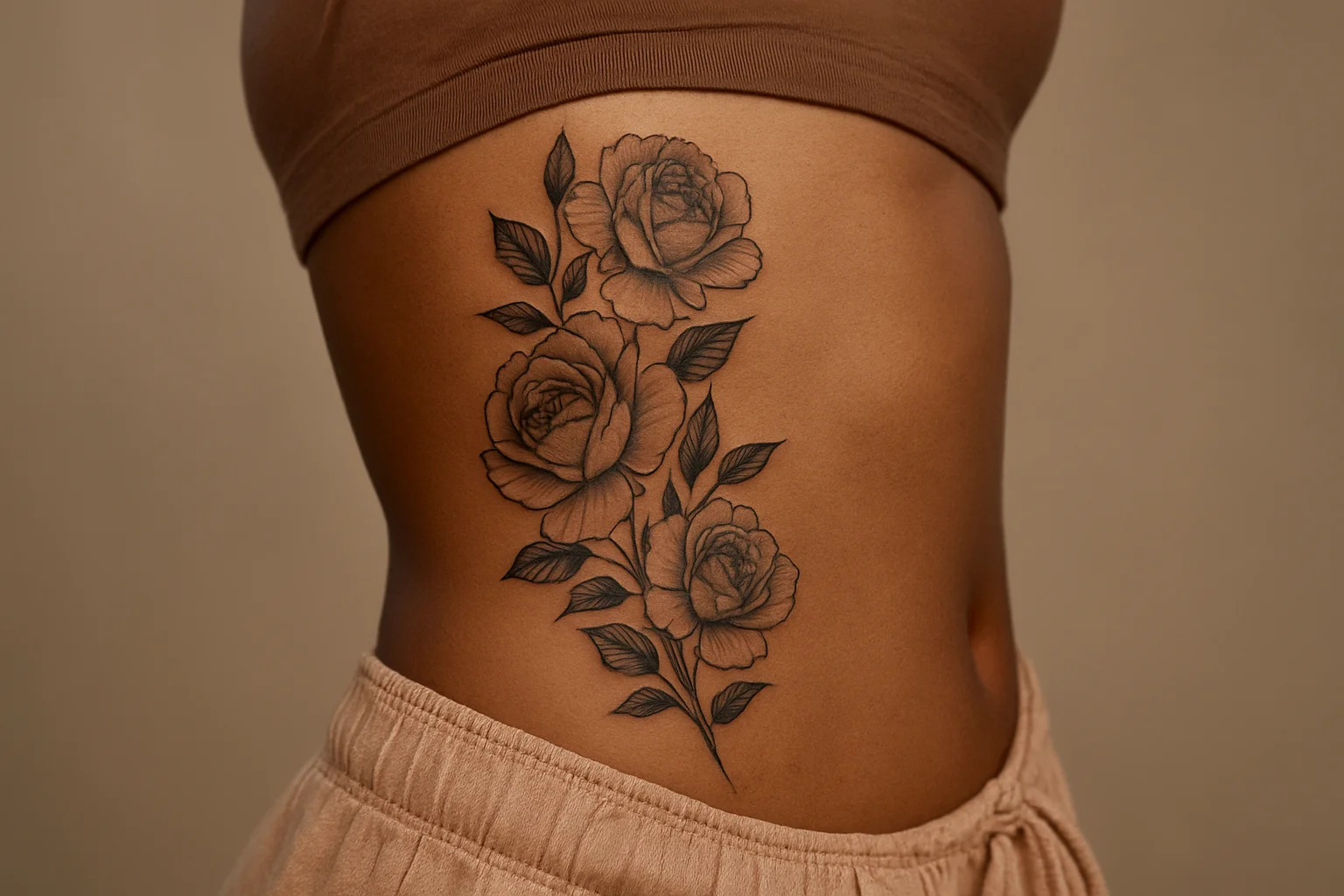
Your ribs are basically a bony xylophone, and tattooing here feels like someone dragging a hot needle across them while you’re trying not to breathe. The lack of fat, constant movement, and thin skin makes this one of the most painful areas to get a tattoo.
Healing Tips for Rib Tattoos
Rib tattoos tend to take longer to heal due to the constant motion from breathing. Stick to soft clothing and skip intense workouts for at least a week.
2. Spine: Sharp and Spicy
The spine is a rough ride. There’s minimal padding and a whole network of nerves running right under the skin. Add in vibrations from the machine and—yeah, it’s not fun.
Women vs Men: Who Feels It More?
Some studies suggest women might feel tattoo pain more intensely due to hormonal sensitivity, especially near the spine and lower back. But everyone’s pain scale is unique.
3. Elbow: Where Time Stops
This one’s tricky because you’ve got bone, thin skin, and weird vibration. The elbow also takes forever to ink, so be ready for a long session.
Healing the Elbow Tattoo
Because it moves so much and takes pressure when you lean, elbow tattoos tend to scab more and need extra lotion. Keep it hydrated and avoid resting on it.
4. Kneecap: Just Why?
Tattooing the kneecap is like tattooing a rock. It’s awkward, it’s painful, and it swells. Lots of people describe it as sharp and deeply annoying – definitely on the top of the list for the most painful areas to get a tattoo.
5. Armpit: The Silent Killer
One of the absolute most painful places to get tattoos, the armpit combines nerve endings, sweat glands, and ultra-soft skin. It’s sensitive going in—and itchy while healing.
Sensitive Tattoo Spots & Sweat
Healing here can be rough if you sweat a lot. Stick to loose tops and avoid deodorant until your artist gives you the green light.
6. Groin & Inner Thigh: Oof
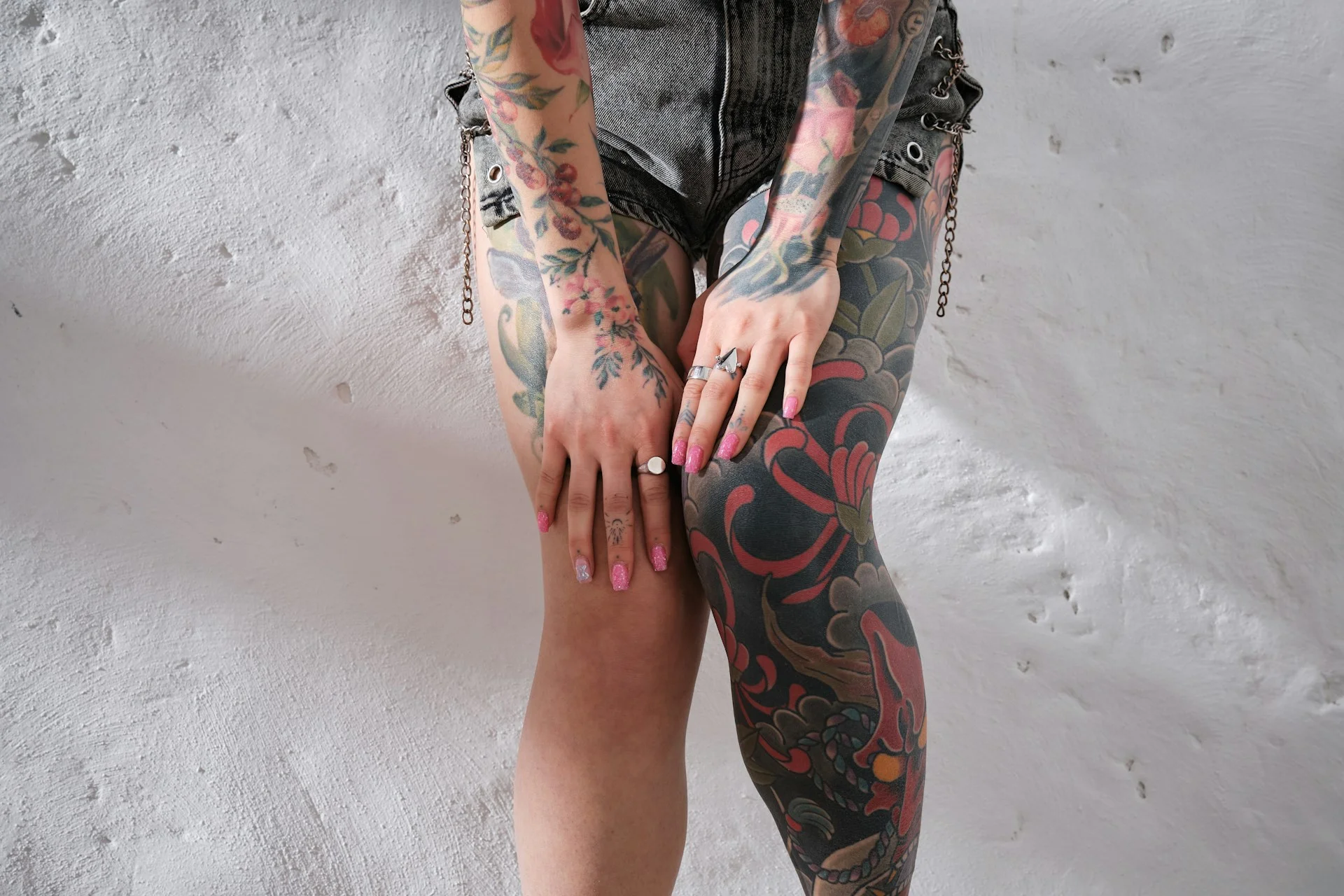
The groin area and inner thigh are incredibly sensitive tattoo spots. There’s a lot of nerve density and soft skin. Pain is sharp and lingers long after the needle stops.
Private Ink = Private Aftercare
Keep the area clean and dry, avoid tight underwear, and wear loose cotton until healing is complete. Don’t forget to wash hands before touching your tattoo.
7. Hands & Fingers: Small but Brutal
These look cool but hurt way more than expected. Minimal fat and constant motion make these painful areas to get a tattoo, and they also fade faster.
Check out our tattoo cover-up ideas if you’re planning to refresh faded hand ink.
8. Feet & Toes: Nerve City
If you hate tickling or stubbed toes, this won’t be fun. The feet have tons of nerve endings and almost no cushion, putting them high on the list of painful spots to get a tattoo.
How Long Do Foot Tattoos Take to Heal?
Plan on extra swelling and a longer healing window—think 3 to 4 weeks. Avoid tight shoes, long walks, and workouts during that time.
9. Neck: The Buzz Is Real
Tattoos on the side or back of the neck vibrate right up into your skull. That buzz feels intense, and the skin is super thin.
We recommend you explore finding your tattoo style before choosing a bold neck piece.
10. Head & Scalp: No Joke
The scalp feels like someone tattooing your thoughts. With zero fat and tons of nerves, it’s one of the most painful areas to get a tattoo, hands down. Plus, you’ll hear every vibration.
11. Chest & Sternum: Deep Burn
Especially for folks with lean builds, the sternum is intense. There’s bone, minimal tissue, and high sensitivity.
Healing Tips for Sternum Tattoos
Wear soft fabrics, avoid underwire bras, and sleep on your back. Healing can take 2–3 weeks with some tight scabbing.
Do The Most Painful Areas To Get a Tattoo Heal Slower?
Pain doesn’t necessarily mean longer healing. What really matters is aftercare and the placement. Areas that bend or sweat more—like armpits, elbows, and feet—can take longer.
Healing also depends on the tattoo style. Want something bold with lots of shading? Our realism tattoo artists in Denver know how to create beautiful work while minimizing trauma to the skin.
Are Tattoos More Painful for Women or Men?

It can go both ways. While some women may have lower pain thresholds, others push through multi-hour sessions like champs. Hormones, hydration, and cycle timing can play a role.
Men might experience more pain in areas with denser nerve endings or less fat, like ribs and spine. Everyone’s different, so communicate with your artist.
Tattoo Pain vs Tattoo Fading
Can a tattoo fade if it hurts more? Nope. Pain doesn’t mean it’ll fade. But poor aftercare definitely will. Want to keep your ink looking fresh? Read our full post on tattoo fading during healing.
Choosing Placement Based on Pain Tolerance
If you’re nervous about hitting one of the most painful areas to get a tattoo, go with a fleshy spot like the outer arm, thigh, or calf. These are way less intense and heal quickly.
Want to see what you’re in for? This pain chart by Healthline gives you a pretty solid breakdown of what hurts and where.
Getting Tattooed with Mantra Tattoo in Denver
At Mantra Tattoo, we’re all about turning the pain into a badge of honor. Whether you’re going for a minimalist wrist tattoo or something detailed and bold on your ribs, we’ll walk you through every step.
We’re known for our high-quality ink, expert artists, and laid-back shop vibe. Need more details? Check out our Getting a Tattoo FAQs or swing by the shop.
We’ve even got DIY tips and garage ideas if you’re planning your next piece.
Want to skip the research and talk to a real human? Contact us here and let’s get started on your next tattoo!
FAQs About Sensitive Tattoo Spots
What is the most painful area to get a tattoo?
Most folks agree it’s a toss-up between ribs, armpits, and the spine. These are the most painful areas to get a tattoo due to thin skin, nerve proximity, and lack of padding.
Do small tattoos hurt less?
Size doesn’t always matter—location does. A tiny tattoo on your ribcage will still hurt more than a large one on your forearm. The skin’s sensitivity and proximity to bone matter more than the size of your design.
What can I do to reduce pain?
Eat a full meal beforehand, stay hydrated, avoid alcohol or caffeine, and try to relax. A calm nervous system = less pain. Don’t show up hungover or sleep-deprived.
Can I get numbing cream?
Yes—but always check with your artist first. Some prefer to work without it since numbing creams can affect the skin’s texture. At Mantra Tattoo, we’re happy to discuss options based on your piece and location.
Does tattoo pain differ between men and women?
It can. Some women report heightened sensitivity depending on hormone levels or menstrual cycle timing. Men often feel more pain in highly vascular or bony areas. But it really comes down to individual pain thresholds.
Are some body areas just not worth it?
If you’re getting inked purely for the aesthetic, spots like the armpits or feet might not be worth the healing hassle unless you’re committed. But if the design calls for it—go for it, just plan accordingly.
Is tattoo pain a sign something is wrong?
Nope. Pain is normal, especially in painful areas to get a tattoo. But if you feel burning, sharp shooting pain, or see signs of infection during healing (swelling, pus, heat), contact your artist or a doctor.
Can placement affect how a tattoo heals?
Absolutely. Areas that bend a lot (elbows, knees), sweat a ton (armpits, groin), or get rubbed by clothing (waistline, ankles) take longer to heal and are more prone to irritation or fading.
What are some beginner-friendly areas?
Outer biceps, upper back, thighs, and calves are great for first-timers. They’ve got more cushion, fewer nerves, and tend to heal faster with fewer complications.